Author: AnyDress.ai

  • Selling Plus-Size Clothing Online: Why Trust Is Your Real Product

    Selling Plus-Size Clothing Online: Why Trust Is Your Real Product

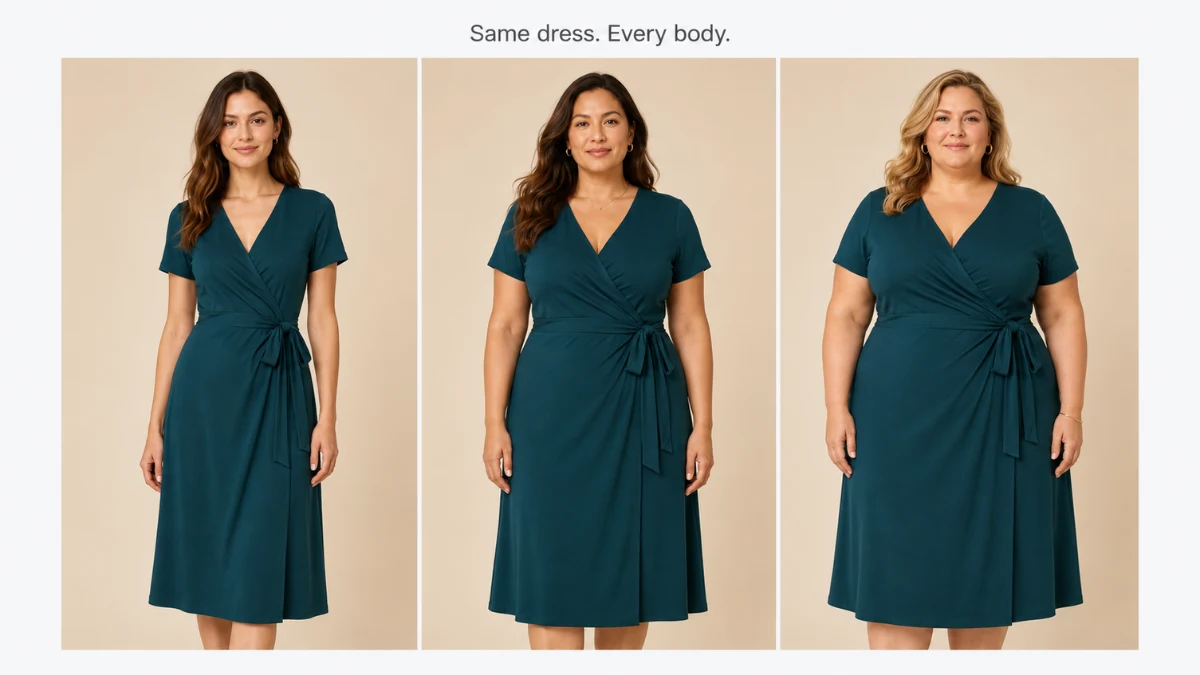
    Ask plus-size shoppers about buying clothes online and you’ll hear the same story with different details: the dress photographed on a size-S model with clips at the back, the “XXL” that measured like an L, the size chart that stopped two sizes short of the range on the label, the return counter that has seen it all before. Online clothing retail is built on guesswork, and plus-size customers have been asked to do far more guessing than anyone else — with worse information.

    Which is exactly why plus-size fashion is one of the best opportunities in independent e-commerce: an enormous, loyal, underserved market where the bar for earning trust sits embarrassingly low, and where the store that actually solves fit uncertainty doesn’t just get the sale — it gets the customer for years. Here’s how to be that store, concretely.

    (more…)
  • Print-on-Demand Mockups: How to Stop Looking Like Every Other POD Store

    Print-on-Demand Mockups: How to Stop Looking Like Every Other POD Store

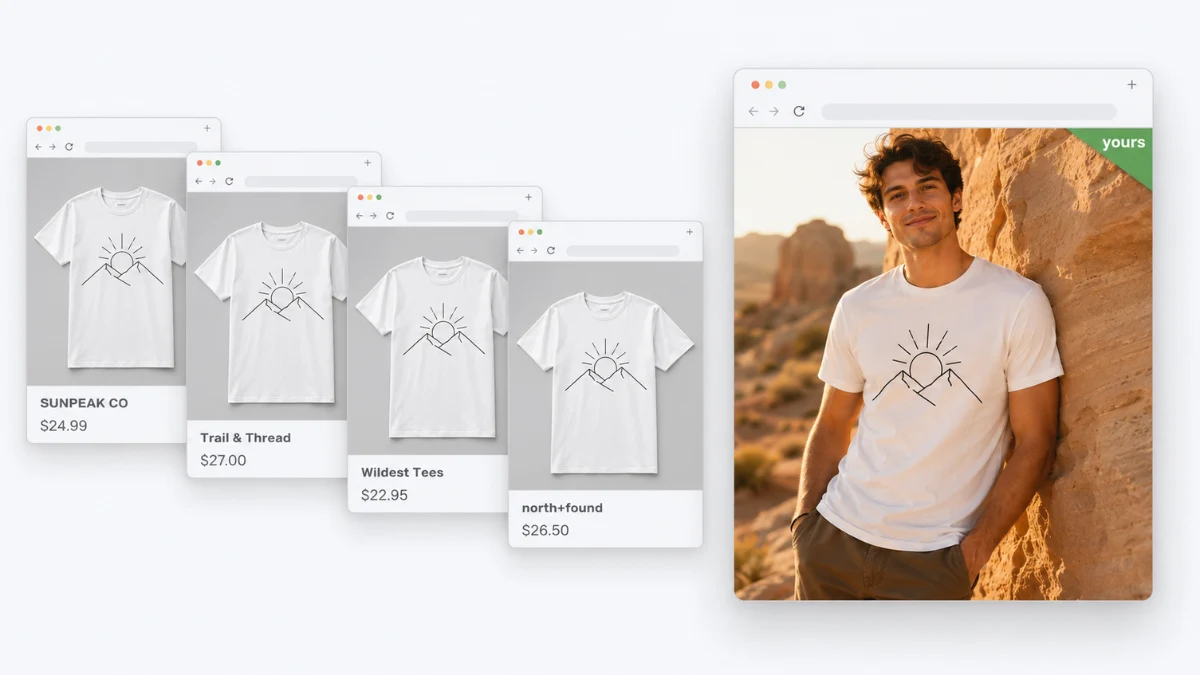
    Here’s an uncomfortable experiment: take your best-selling t-shirt design, open your product page next to any random POD store on the internet, and squint. Same blank tee, same invisible model pose, same studio-gray void — because you’re both using the same handful of mockup templates that every print-on-demand platform generates from the same blank-apparel catalog. Your design is different. Nothing else is. And shoppers, who have now seen tens of thousands of these template mockups, have learned to read them instantly: this is a design slapped on a stock photo of a shirt that doesn’t exist yet.

    That perception is the invisible tax on every POD sale: it says “we’ll believe it when we see it” at exactly the moment you need the shopper to imagine the real thing. The good news is that the gap between template-looking stores and real-looking brands is now a ladder anyone can climb — four upgrades, in increasing order of impact. Here’s the climb.

    (more…)
  • Dropshipping Returns: Why Prevention Is the Only Policy That Actually Works

    Dropshipping Returns: Why Prevention Is the Only Policy That Actually Works

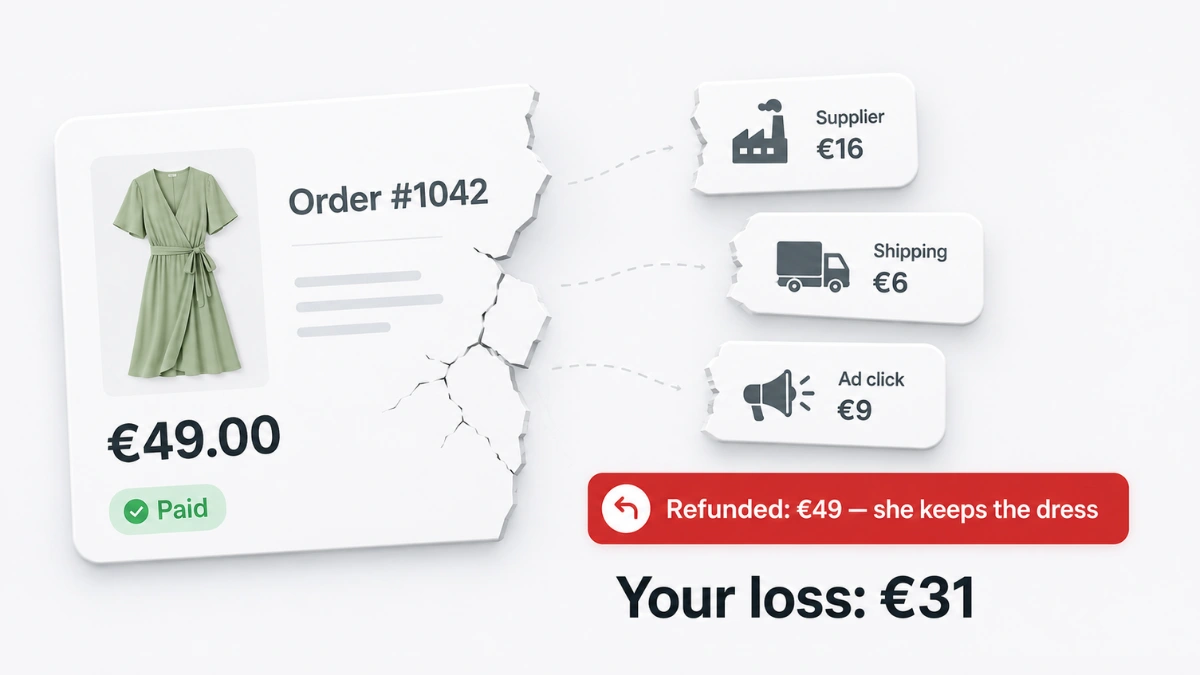
    Run the math on one returned dress and the whole topic snaps into focus. Say you sell it for €49: you paid your supplier €16, shipping to the customer €6, and the ad click that produced the order cost you €9 in spend. Now she wants to return it. Shipping it back to your supplier in Guangzhou costs more than the €16 the dress is worth — and your supplier probably wouldn’t accept or restock it anyway. So you do what nearly every dropshipper does: refund the €49, tell her to keep it, and quietly absorb a €31 loss on an order you celebrated last week. Three of those wipe out the margin on ten good orders.

    That’s the real shape of dropshipping returns: there is no returns process — there’s only a refund bill. Which means every hour spent perfecting your returns policy is spent managing the loss, and every hour spent preventing the return never pays the bill at all. This article is about the second kind of hour.

    (more…)
  • Dropshipping Product Photos: How to Stop Selling with the Same Images as 1,000 Other Stores

    Dropshipping Product Photos: How to Stop Selling with the Same Images as 1,000 Other Stores

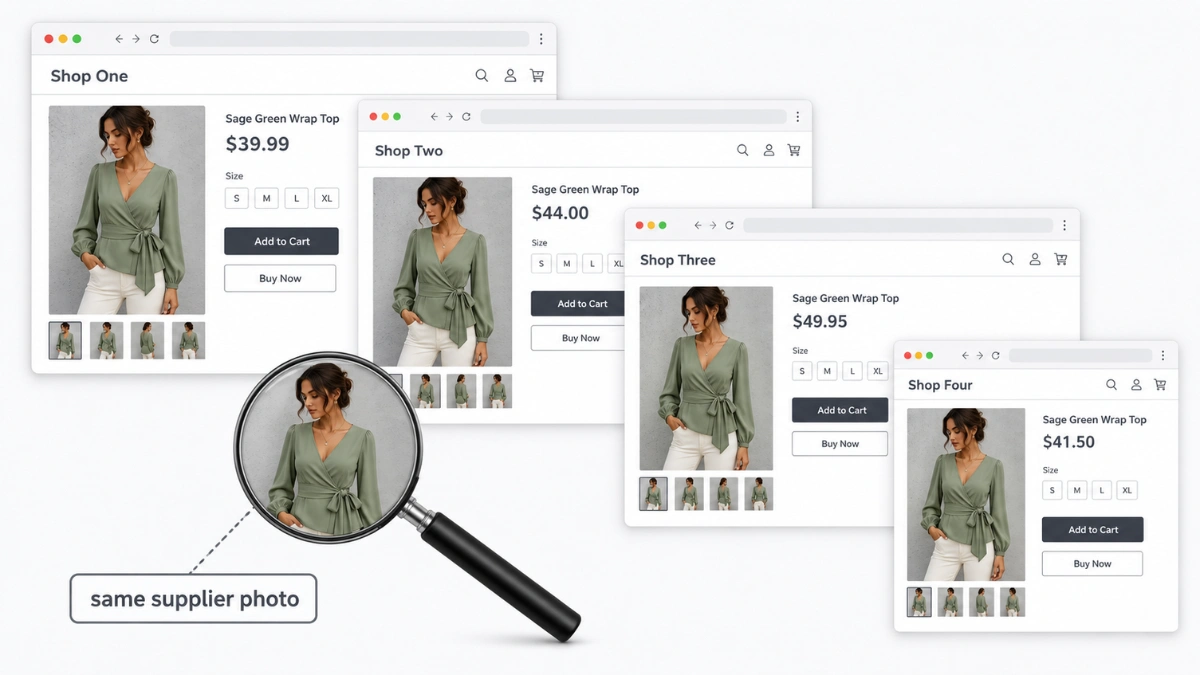
    Shoppers can smell a dropshipping store in about two seconds, and it’s almost never the prices or the shipping times that give it away first. It’s the photos: the same over-lit supplier images, the same anonymous models against the same gray studio walls, the same shots they scrolled past on three other stores this week — and can reverse-image-search straight back to the marketplace listing you sourced from, at a third of your price.

    This is the differentiation problem at the heart of clothing dropshipping. You can’t fix it the way normal stores do, because you never touch the inventory. But it has become fixable — and the stores fixing it are quietly separating themselves from the thousand clones. Here’s the honest picture.

    (more…)
  • AliExpress Clothing Sizes Explained: The Dropshipper’s Guide to Asian Sizing (and Fewer Refunds)

    AliExpress Clothing Sizes Explained: The Dropshipper’s Guide to Asian Sizing (and Fewer Refunds)

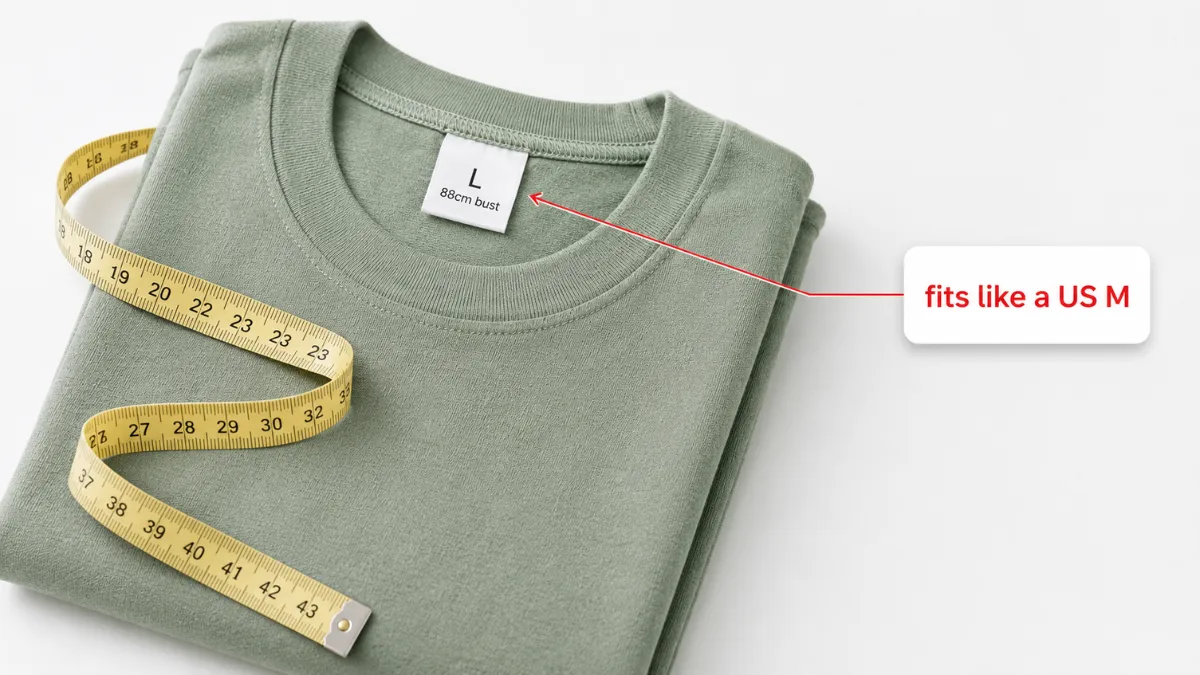
    Every clothing dropshipper learns the same lesson, usually the expensive way: the “L” on your AliExpress listing is not the L your customer is wearing. She orders her usual size, waits three weeks, and receives something one to two sizes smaller than she expected. She’s angry, you’re refunding — because sending it back to China costs more than the top did — and your store just earned the review that scares off the next ten buyers.

    This guide explains why Asian sizing runs the way it does, why conversion charts mostly don’t work, and the system that actually prevents sizing refunds — the only kind of returns strategy that makes economic sense when your supplier is an ocean away.

    (more…)
  • WooCommerce Try Before You Buy: The Two Models That Actually Work in 2026

    WooCommerce Try Before You Buy: The Two Models That Actually Work in 2026

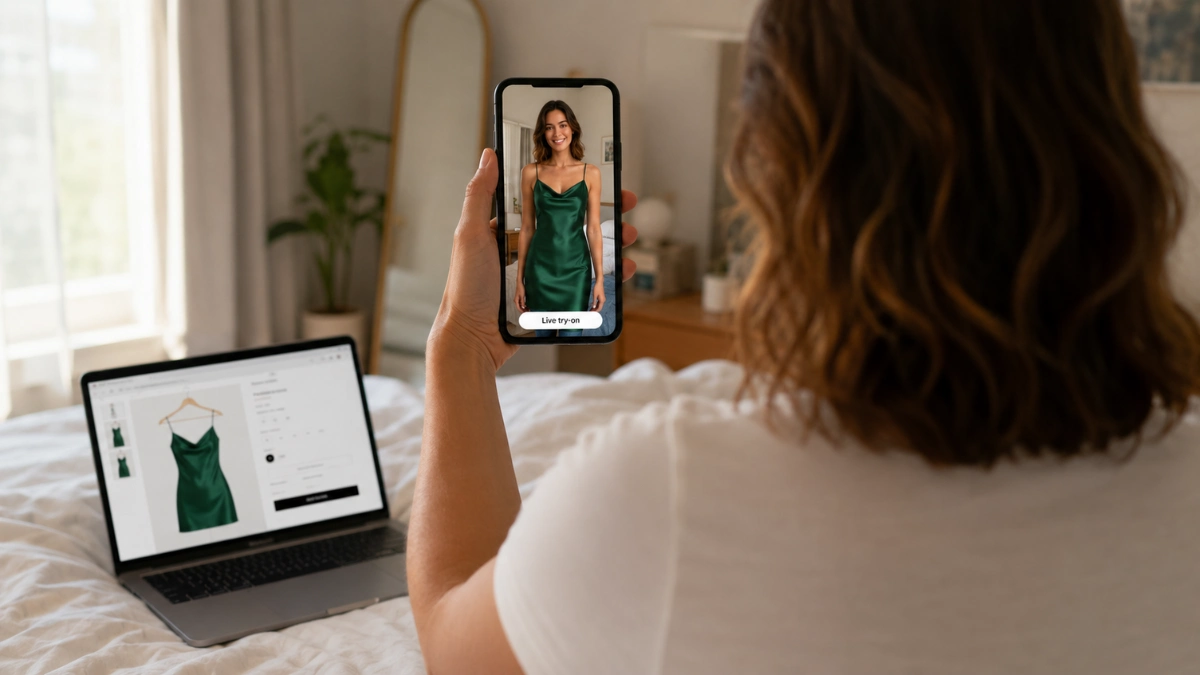
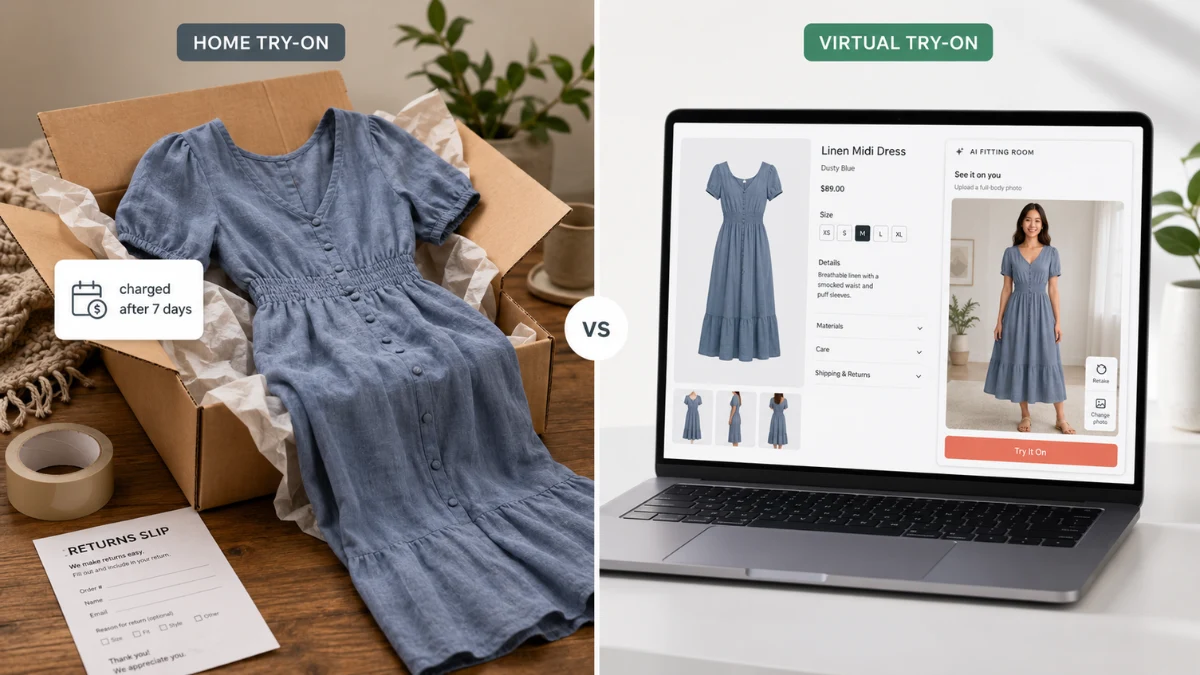
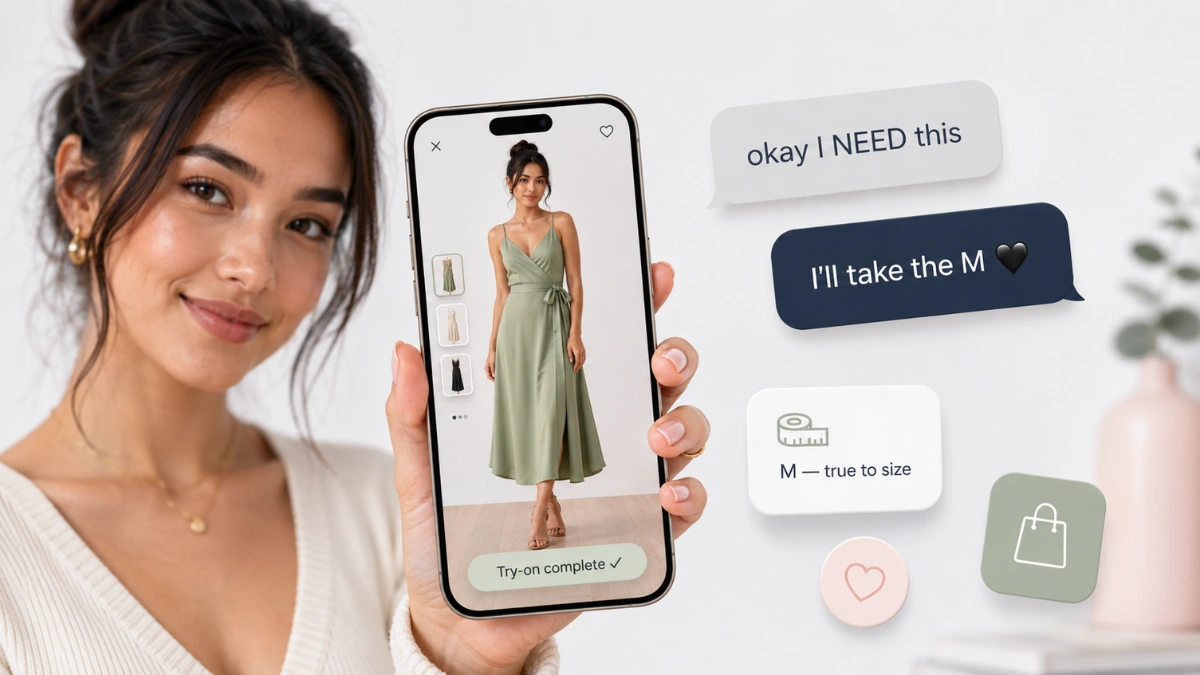
    “Try before you buy” is the most persuasive promise in fashion e-commerce — it’s the one thing a physical fitting room has always had over your online store. But when WooCommerce store owners go looking for how to offer it, they find two completely different things wearing the same name: home try-on, where you ship products and only charge for what the customer keeps, and virtual try-on, where the customer sees the product on themselves before ordering at all.

    Both are real, both work, and they solve the same problem from opposite ends. This guide explains how each one functions in WooCommerce, what each really costs, and how to decide which fits your store — including why, for most independent clothing stores, one of them is a much safer place to start.

    (more…)
  • How to Sell Clothes on TikTok in 2026: The Complete Seller Guide

    How to Sell Clothes on TikTok in 2026: The Complete Seller Guide

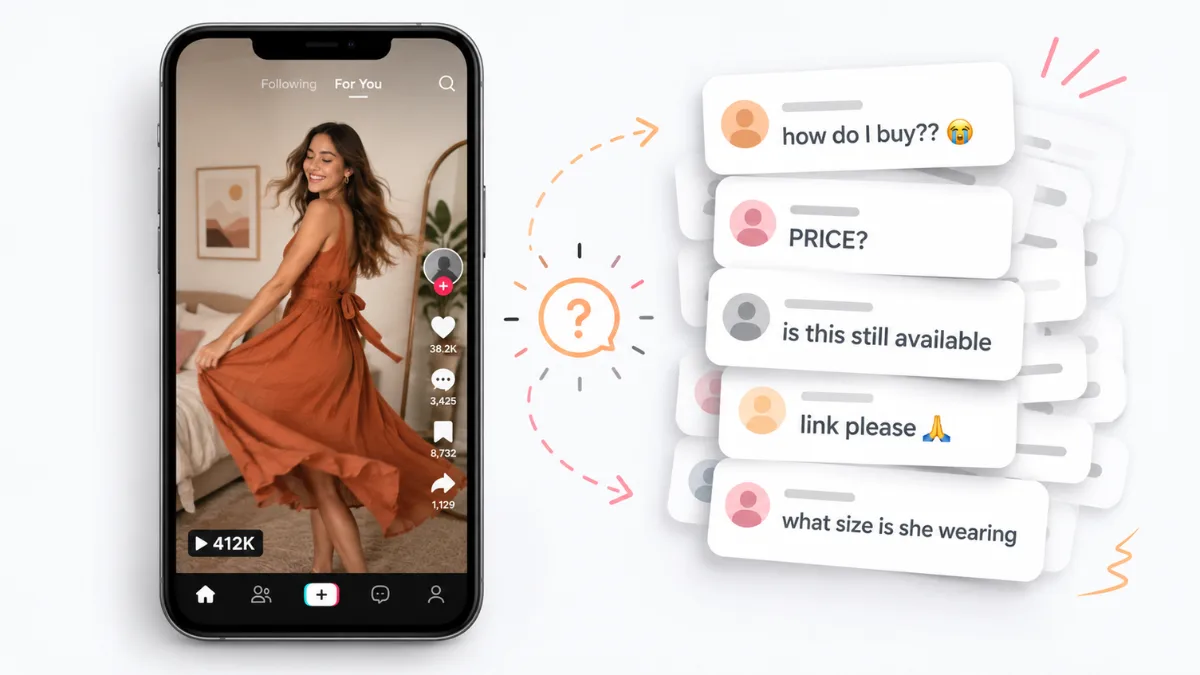
    TikTok is the only platform where a clothing seller with 200 followers can wake up to 400,000 views. That’s the promise that pulls thousands of boutique owners, thrifters, and small brands onto the app — and it’s real. What the success stories skip is the other half: most sellers who get their viral moment convert almost none of it into orders, because the moment arrived before the infrastructure did. A hundred comments asking “how do I buy??” is not a sales channel.

    This guide covers how selling clothes on TikTok actually works in 2026 — the content that sells, the TikTok Shop decision, and how to be ready for the spike before the algorithm sends it.

    (more…)
  • How to Sell Clothes on Instagram in 2026: The DM-to-Sale Playbook

    How to Sell Clothes on Instagram in 2026: The DM-to-Sale Playbook

    Selling clothes on Instagram looks simple from the outside: post nice photos, wait for the “is this still available?” messages, ship the orders. Anyone who has actually run an Instagram clothing shop knows the truth — the posting is the easy part. The hard part is everything between a follower double-tapping your photo and money arriving in your account: the twenty sizing questions per drop, the buyers who ghost mid-conversation, the returns from people who guessed wrong, and the constant pressure to produce fresh content.

    This guide covers the full playbook — profile setup, content, the DM sales workflow, and the tools that remove the friction — whether you’re starting a thrift shop from your bedroom or running an established boutique account.

    (more…)
  • How to Sell Clothes Online Without a Photoshoot: The WooCommerce Store Owner’s Guide

    Every year, thousands of WooCommerce clothing stores stall at the same wall.

    The products are sourced. The store is built. The payment gateway is connected. And then the founder opens a quote from a commercial photography studio and sees a number that stops everything cold — $3,500 to $15,000 for a single shoot day, with 15 to 25 usable images as the output.

    For an independent clothing brand or a boutique launching its first collection, that number is not a temporary inconvenience. It is a genuine barrier to entry. And unlike the cost of hosting, a premium theme, or even paid ads, photography costs scale with every new style you add to your catalog. Add 50 SKUs per season and the problem compounds fast.

    (more…)
  • WooCommerce vs. Shopify for Clothing Stores: Which Platform Is Better for AI Fashion Tools in 2026?

    The WooCommerce vs. Shopify debate has been running for a decade. In 2026, most platform comparison articles still frame it the same way: cost, ease of use, customization, SEO. Those are valid dimensions, and this article covers them honestly.

    But for clothing store owners specifically, there is a dimension that most comparisons ignore entirely — and it is the one that is reshaping how fashion e-commerce competes: AI tool integration.

    (more…)