If you run an online apparel store, you already know the harsh reality: skyrocketing ecommerce fashion return rates are quietly eating your profit margins alive.
In 2026, getting a customer to click “Buy Now” is only half the battle. The real challenge is making sure the item stays in their closet and doesn’t end up back in your warehouse. With shipping costs rising and reverse logistics becoming more complicated, learning how to reduce clothing return rates is arguably the most profitable skill a fashion brand owner can master today.
Whether you’re dealing with customers buying the wrong size or simply changing their minds, this guide will show you exactly how to make WooCommerce reduce returns effectively. We’ll cover 7 proven, actionable strategies you can implement right now—including the game-changing power of AI virtual try-on.
Key Takeaways:
- Online fashion return rates are surging due to “bracket buying” and a disconnect between static photos and real-world fit.
- Generic sizing charts are no longer enough; brands must switch to dynamic, garment-specific measurements.
- Implementing AI virtual try-on for WooCommerce is the fastest way to build buyer confidence and stop returns before they happen.
- Structuring your return policy to incentivize exchanges over cash refunds will protect your profit margins.
Why Ecommerce Fashion Return Rates Are Skyrocketing in 2026
Before we fix the problem, we need to understand why it’s happening. Historically, the average return rate for online apparel has hovered around 20% to 30%, but for many stores, those numbers are creeping even higher.
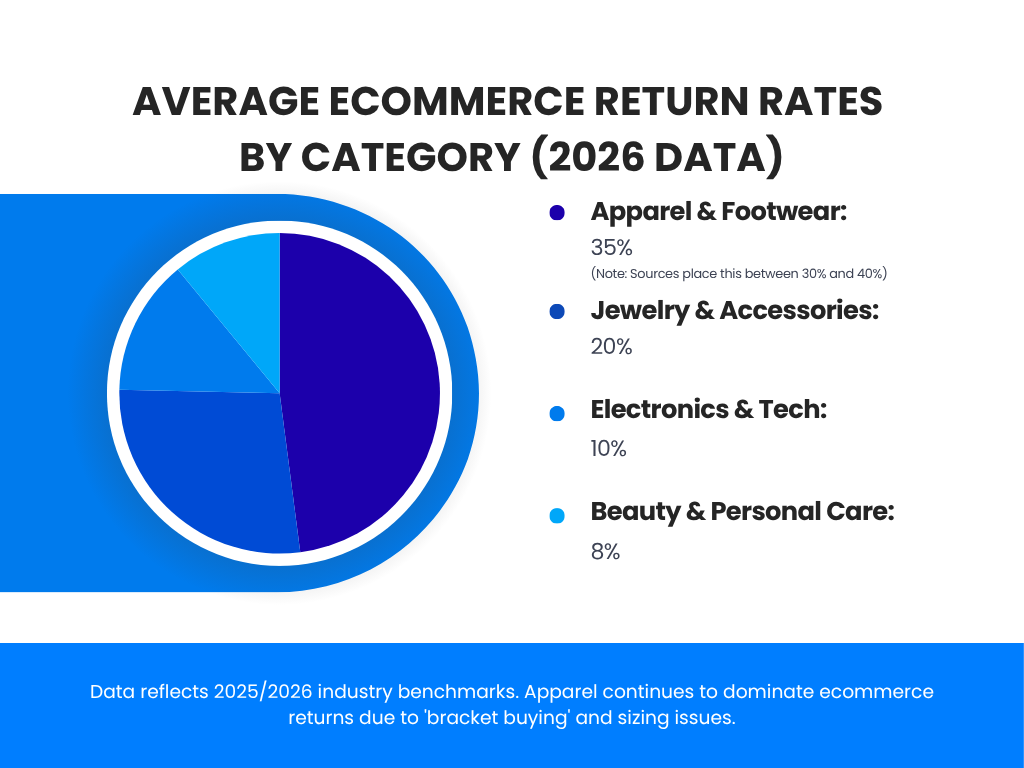
Why are fashion returns so prevalent right now? It boils down to three major modern shopping behaviors:
- “Bracket Buying” (The Living Room Fitting Room): Today’s shoppers frequently practice “bracketing.” Because they aren’t sure how your specific brand fits, they will purchase a dress in sizes Small, Medium, and Large with the explicit intention of keeping one and returning the other two.
- The “Fit and Feel” Disconnect: No matter how beautiful your flat-lay photography is, static images don’t tell the whole story. Customers struggle to visualize how a specific fabric will drape, stretch, or flatter their unique body type. When reality doesn’t match their imagination, the item gets boxed right back up.
- “Wardrobing” for Social Media: Unfortunately, the trend of wearing an outfit once for a TikTok or Instagram post and then returning it remains a persistent headache for online retailers.
Every returned item costs you processing time, shipping fees, packaging materials, and potential damage to the inventory. To protect your WooCommerce store’s bottom line, you need proactive solutions that tackle these sizing and visualization issues before the customer ever reaches the checkout page.
7 Proven Strategies to Reduce Clothing Return Rates in WooCommerce
To successfully help your WooCommerce reduce returns, you must eliminate the guesswork from the shopping experience. Customers return items when they feel surprised or disappointed by what arrives in the mail. Here are seven highly effective ways to align their expectations with reality.
1. Implement AI Virtual Try-On for WooCommerce (The Ultimate Solution)
If there is one technology you adopt in 2026 to slash returns, it should be this. Static photos on a single model don’t tell a shopper how a garment will look on their specific body type.
By implementing AI virtual try on WooCommerce technology, you allow shoppers to instantly generate realistic images of themselves wearing your clothing. When a customer can visually confirm that a dress or top flatters their exact body shape, skin tone, and size, their purchase confidence skyrockets.
Pro Tip: Use a dedicated solution like AnyDress.ai. It integrates seamlessly with WooCommerce, allowing shoppers to upload a quick photo and see the garment on their own body in seconds. Stores using AI virtual try-on routinely see drops in return rates by up to 30% because it completely eliminates the need for “bracket buying.”
2. Upgrade to Dynamic, Brand-Specific Sizing Charts
Generic sizing charts (e.g., standard US Small, Medium, Large) are a leading cause of fashion returns. Every brand cuts its fabric differently.
Instead of a generic table, update your WooCommerce product data tabs with exact garment measurements (bust, waist, hips, inseam) in both inches and centimeters. Even better, tell the customer exactly how to measure themselves. If a specific dress runs small or has zero stretch, explicitly state: “Runs small. If between sizes, size up.”
3. Leverage User-Generated Content (UGC) and Sizing Reviews
Shoppers trust other shoppers. When browsing a product page, a customer actively looks for reviews from people with similar body types.
Upgrade your standard WooCommerce reviews to allow photo uploads and custom sizing fields. Ask reviewers to input their height, weight, and the size they purchased, alongside their rating of the “fit” (e.g., Too Small, True to Size, Too Large). Seeing a dress look amazing on a real customer with a similar build is often the final push needed for a confident, non-returnable purchase.
4. Use High-Resolution Video and Fabric Close-Ups
A major reason for high ecommerce fashion return rates is the “fabric disconnect.” A shirt might look like structured cotton in a photo but arrive feeling like thin, clingy polyester.
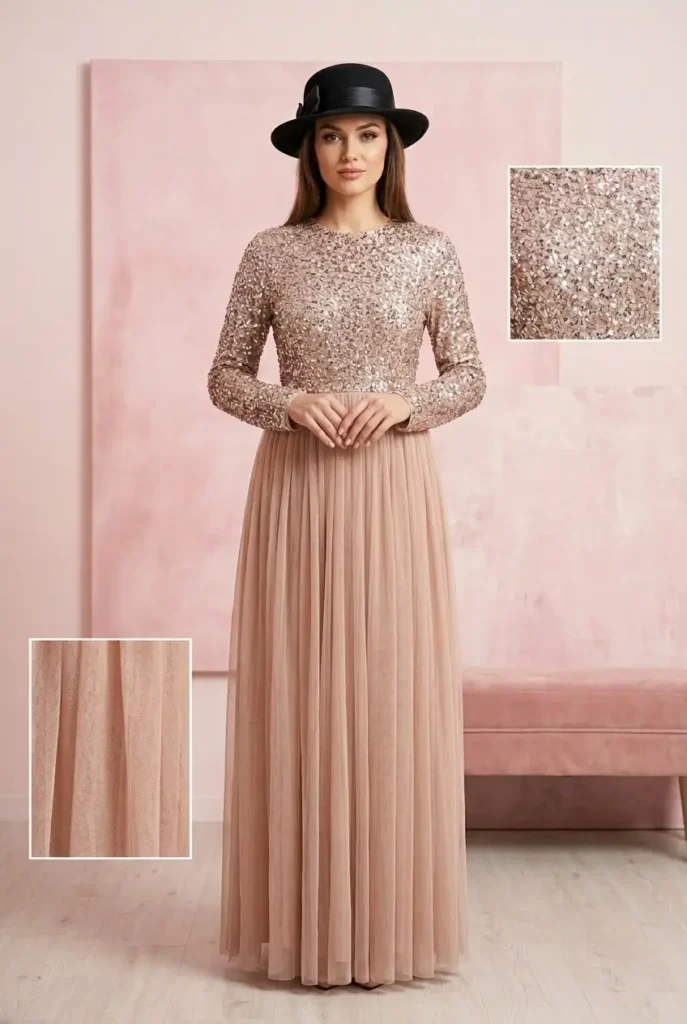
Enhance your WooCommerce product galleries with short, looping videos showing a model walking or twirling in the garment. This demonstrates the drape, weight, and movement of the fabric. Additionally, always include at least one macro-level close-up shot of the material so customers can see the texture.
5. Write Hyper-Descriptive Product Descriptions (Fit & Feel)
Don’t just copy and paste the manufacturer’s description. Your WooCommerce product descriptions should act as a virtual sales associate. Make sure every clothing item includes:
- The Model’s Specs: “Sarah is 5’7″, wears a size Small, and has a 26-inch waist.”
- Fabric Composition: Exact percentages (e.g., 95% Cotton, 5% Spandex).
- Stretch Factor: Is the fabric rigid, semi-stretchy, or highly elastic?
- Fit Type: Is it a relaxed fit, bodycon, or oversized?
6. Rethink Your Return Policy to Incentivize Exchanges
Sometimes, a return is inevitable. But a return doesn’t have to mean a lost sale. You can structure your return policy to actively encourage exchanges over full refunds.
For example, offer free return shipping only if the customer opts for store credit or a direct size exchange. If they want a refund to their credit card, charge a modest $5 to $7 restocking or shipping fee. This gentle friction often pushes customers to simply swap the item for the correct size rather than abandoning your brand altogether.
7. Track Return Data to Find the “Repeat Offenders”
Not all returns are the customer’s fault. Sometimes, you just have a bad product. If you want to successfully reduce clothing return rates, you need to look at your WooCommerce analytics.
If one specific dress has a 45% return rate while the rest of your store averages 15%, pull that product immediately. Review the product page—is the photo misleading? Is there a manufacturing defect in the zipper? Did the supplier change the sizing? Identifying and fixing (or removing) your top returned items will instantly improve your overall margins.
The Essential WooCommerce Tech Stack to Stop Returns
You don’t have to manually manage all these strategies. The beauty of WordPress is the massive ecosystem of plugins designed to help WooCommerce reduce returns on autopilot. Here is the ultimate 2026 tech stack for fashion retailers:
- AnyDress.ai (For AI Virtual Try-On): The most critical plugin in your stack. As mentioned earlier, utilizing AI virtual try on WooCommerce technology stops the root cause of returns (poor fit visualization) before the checkout process even happens.
- WooCommerce Photo Reviews (by VillaTheme): An excellent plugin to implement our UGC strategy. It allows customers to upload photos of themselves wearing your clothes and prompts them to leave their body measurements and sizing feedback.
- Product Size Charts Plugin for WooCommerce: This tool lets you create detailed, dynamic sizing tables that you can assign to specific product categories (e.g., a specific chart for “Denim” and a different one for “T-Shirts”), keeping your fit data organized.
- ReturnGO or YITH Advanced Refund System: Use one of these to build an automated Return Merchandise Authorization (RMA) portal. They allow you to easily incentivize store credit over cash refunds and track exactly why items are being sent back.
What is a normal return rate for clothing online?
In the ecommerce fashion industry, the average return rate typically sits between 20% and 30%. However, during peak holiday seasons or for brands that suffer from inconsistent sizing, this number can easily spike to 40% or higher. Your goal should be to push your store’s return rate below 15% using better visualization tools and accurate sizing data.
How does AI virtual try-on reduce returns?
AI virtual try-on allows customers to upload a photo of themselves to see exactly how a garment will drape, fit, and look on their specific body type and skin tone. By removing the guesswork from online shopping, it drastically reduces “bracket buying” (buying multiple sizes to return the ones that don’t fit) and prevents the disappointment of an item looking different in person than it did on the store’s model.
How do I handle serial returners in WooCommerce?
To mitigate losses from “wardrobing” or serial returners, update your store policies to charge a small restocking or return shipping fee for cash refunds, while offering free returns if they choose store credit. Additionally, you can use WooCommerce reporting plugins to flag customer accounts with excessively high return rates (e.g., over 60%) and restrict them from future purchases or remove their eligibility for free shipping.
Conclusion: Stop Losing Profit to Fashion Returns
Learning how to reduce clothing return rates isn’t just about saving money on return shipping labels; it’s about protecting your brand’s reputation, improving your customer experience, and maximizing your profit margins in an increasingly competitive 2026 market.
While dynamic sizing charts, high-quality video, and smart return policies are essential, nothing bridges the gap between digital shopping and the physical fitting room quite like AI. By giving your customers the power to see themselves in your clothes before they buy, you instantly build trust and eliminate the doubt that leads to returns.
Ready to help your WooCommerce reduce returns today?
Don’t let another customer abandon their cart because they aren’t sure of the fit. Integrate the ultimate AI virtual try on WooCommerce solution today. 👉 Click here to learn more about AnyDress.ai and start your free trial!